Sri Eshwar Engineering College

Affordable and Clean Energy

Affordable and Clean Energy​

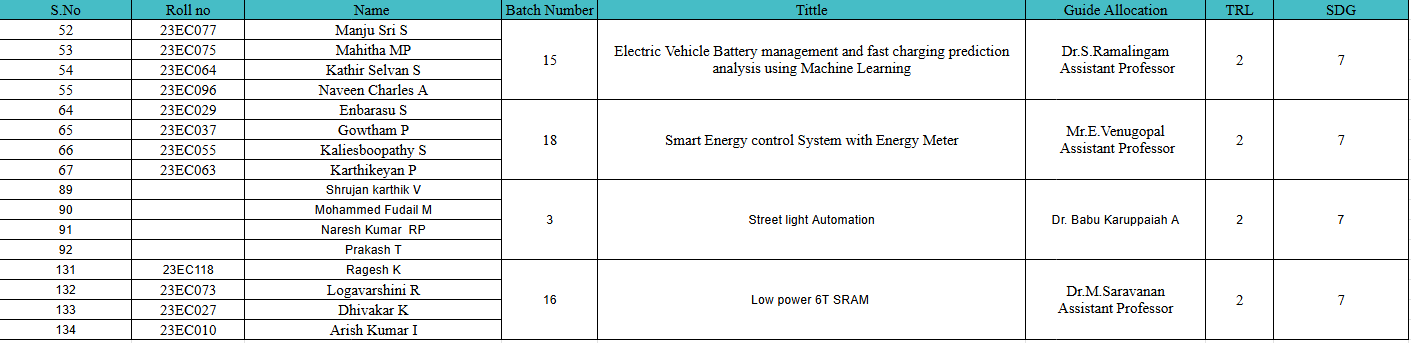
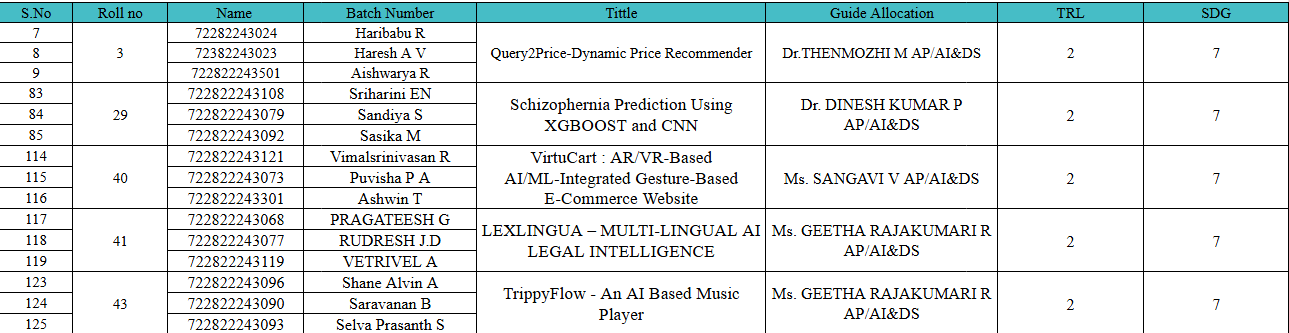
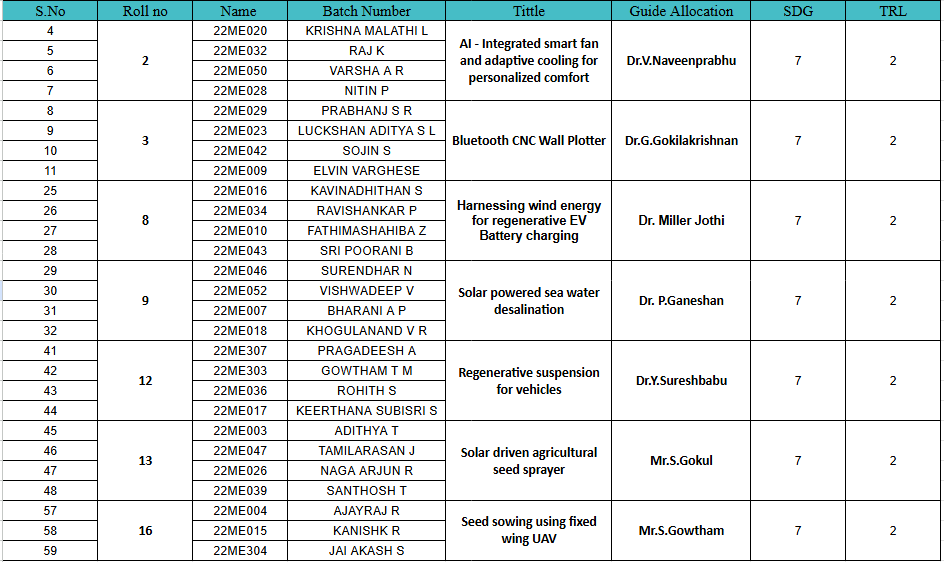
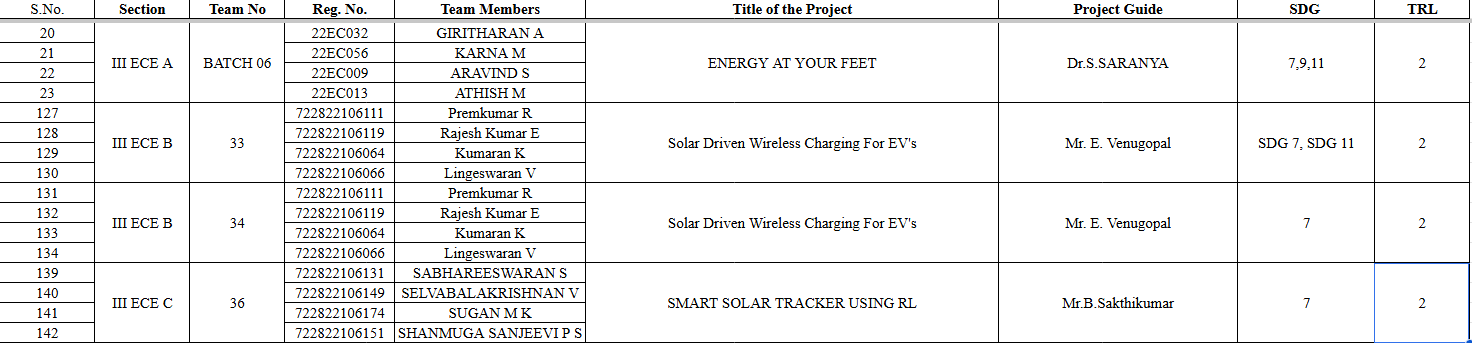
The college operates with a strong focus on energy efficiency and sustainable operations. Smart classrooms, LED lighting, and energy-efficient electrical systems minimize consumption. Renewable energy initiatives such as solar power installations contribute to the institution’s green energy portfolio, reducing dependency on non-renewable sources. Energy audits and monitoring mechanisms ensure responsible usage and identify areas for improvement. Students engage in projects and research related to clean energy technologies, promoting awareness and innovation in sustainable practices. Workshops and exhibitions by the Energy Club encourage the adoption of eco-friendly solutions. Regular maintenance of electrical systems ensures safety and efficiency. By integrating clean energy management into both infrastructure and education, the institution promotes environmental consciousness while maintaining operational efficiency. This culture of responsible energy use reinforces the vision of a technologically advanced yet ecologically mindful campus.

Introduction

SDG-7 boldly declares a universal mission to ensure affordable, reliable, sustainable, and modern energy for all by 2030, forging a path where no community is left in the dark. Its importance is monumental, acting as the “engine room” for all other development goals: clean energy is the vital fuel that drives better health, education, climate action, and economic prosperity globally. The ultimate goal is a transformative future powered by cleaner, greener, and equitable energy systems, moving the world decisively beyond fossil fuels to achieve climate resilience and energy justice for every person on the planet.

The scope of SDG-7, Affordable and Clean Energy, expands far beyond mere utility, embracing the role of “Living Laboratories” and knowledge hubs. The institution’s goal is to be a zero-carbon catalyst, reducing its own energy footprint by implementing deep energy efficiency and generating clean, renewable power on campus (solar panels, for instance) while actively ensuring that its own and surrounding communities have reliable energy access.

Specific Contribution Areas

Campus Infrastructure- Energy Aspects 

The infrastructure of the institution is organised in a way where it utilises green energy like solar PV, solar water heater...

Community & Outreach

In order to promote energy efficiency and access to clean energy, our institution has partnered with UBA(Government of India) to install and maintain solar street lights...

Global Knowledge Exchange

The institution is committed to advancing sustainable energy service technology by active collaboration with other national and international organizations...

1. Campus Infrastructure- Energy Aspects

The institution’s infrastructure is strategically designed to maximise the use of green and renewable energy sources. The campus is powered through a combination of solar photovoltaic systems, solar water heaters, solar street lighting, biogas units, and a dedicated wind energy, significantly reducing dependence on conventional fossil fuels.

A strong emphasis is placed on energy conservation across all facilities. Classrooms, laboratories, faculty cabins and auditoriums are fully equipped with energy-efficient LED lighting and BLDC fans, ensuring reduced energy consumption and promoting a sustainable learning environment.

To promote renewable energy adoption and sustainable power generation, the institute has installed a 365 kWp grid-connected solar photovoltaic (PV) system across the rooftops of all academic buildings to meet a significant portion of the campus electricity demand. The system comprises 1,200 PV panels of 250 W each, mounted in a north–south orientation at an 11° tilt with fixed structures to ensure optimal solar capture. Power conversion is achieved through Schneider inverters (25 kW each), synchronized automatically at the medium-voltage panel to ensure seamless grid integration. The installation operates with a DC bus voltage of 820 V (MPPT 1 & 2) and is supported by independent DC and inverter earthing for enhanced safety and reliability. Regular panel cleaning once every ten days ensures consistent performance and efficiency. On average, the system generates approximately 5,000 kWh of clean electricity per day, significantly reducing conventional energy consumption and the campus carbon footprint.

To promote clean and sustainable energy on campus, the institution has installed a high-capacity 60,000-litre solar water-heating system (32 Units) on the institute’s rooftop. This eco-friendly and energy-efficient installation ensures a consistent and reliable supply of hot water for the hostels while significantly reducing conventional energy consumption.

The institution has installed a biogas plant (three units) that produces clean cooking gas through the anaerobic digestion of organic waste. Food waste generated from hostels, along with animal waste, serves as the primary feedstock for biogas production. The each unit is designed to efficiently process 500 kg of organic waste per day, ensuring optimal digestion and consistent gas generation. It delivers an average output of 30 m³ of biogas per day, which is utilized for cooking applications in the campus kitchen stoves. This eco-friendly initiative significantly reduces solid waste while promoting the use of sustainable and renewable thermal energy within the campus.

The institute has installed a small wind turbine featuring a 1–2 m rotor diameter with a swept area of approximately 1–3 m², capable of generating 50–150 W at wind speeds of 4–5 m/s. This entire system was designed and commissioned by the final-year UG students. The generated power is effectively utilized for lighting loads, contributing to a Considerable reduction in electricity consumption on campus.

The administrative offices of the institute are equipped with Brushless DC (BLDC) fans, which reduce power consumption by nearly 50–60% compared to conventional induction motor fans. They provide higher airflow with lower heat losses, resulting in improved efficiency. BLDC fans also operate quietly, offer precise speed control, and significantly enhance user comfort.

In the administrative offices, classrooms, hostels, and the amenity centre, LED spotlights are installed, consuming 50–70% less energy than conventional lighting. LEDs provide higher luminous efficacy, delivering brighter illumination with minimal power usage. Their long lifespan reduces maintenance and replacement costs. Overall, LED lighting greatly improves lighting quality while significantly lowering electricity consumption.

Advanced Research Centre for Green Technologies and Sustainability:

The Advanced Research Centre for Green Technologies & Sustainability was established in 2022 at Sri Eshwar College of Engineering, Coimbatore.The centre is committed to advancing sustainable solutions and supporting industries through the following key objectives:

  • Providing consultancy services in renewable energy, energy conservation and audits, bioenergy, demand-side management, and waste heat recovery systems across various process industries.
  • Organizing short-term training programmes, seminars, workshops, and knowledge-enhancement sessions for industry executives and managers in the field of energy management.
  • Undertaking research and development of innovative technologies for the efficient harnessing of renewable energy.

The Energy Team comprises highly qualified professors who are Bureau of Energy Efficiency (BEE)–certified auditors with expertise in both thermal and electrical domains. With extensive experience, the team has successfully conducted energy conservation audits for more than 22 industries across Coimbatore, contributing significantly to industrial energy efficiency and sustainability.

The Inauguration Session of the Advanced Research Centre for Green Technologies and Sustainability was organized in July 2022. The event was graced by Dr. R. Sethumadhavan, Senior Director, GSH India Pvt. Ltd. (MNC), Chennai, and Mr. K. Arul, CEO, STEADFAST Safety Solutions, Coimbatore, as the Chief Guests. They delivered insightful keynote addresses highlighting essential research approaches and the emerging scope of green energy in the coming years. The session was highly beneficial to both faculty members and students. Dr. Sudha Mohanram, Principal, Dr. G. Karuppusami, Dean – Research & R&D, Heads of Departments, faculty, and students of the college were present on the occasion.

2. Community & Outreach: 

In order to promote energy efficiency and access to clean energy, our institution has partnered with UBA(Government of India) to install and maintain solar street lights for the local community. Additionally, the institution has implemented a floating solar-powered drip irrigation system for saplings using optimization techniques.

Photograph of the Floating Solar Powered Drip Irrigation System for the Saplings Using Optimization Techniques
Photograph of the installed and maintained Solar Street light at Kodhavadi

3. Global Knowledge Exchange:  

The institution is committed to advancing sustainable energy service technology by active collaboration with other national and international organizations in the areas of research sharing, training provision, and acquisition.

Our institution’s faculty members are encouraged to share their knowledge on various global platforms; they have contributed to envisioning energy conservation practices in various possible areas for the young engineers.

The Advanced Research Centre for Green Technologies and Sustainability, organized a two-day National Seminar on Energy Efficiency, Challenges in Power Grid Integration of Renewable Energy, and Transmission Losses on *2nd and 3rd November 2023. The seminar aimed to deliberate on emerging trends, challenges, and solutions related to renewable energy generation, grid integration, transmission, and efficient energy utilization. The event provided a dedicated platform for in-depth discussions on power quality, energy conservation, and renewable energy technologies.

Sri Eshwar College of Engineering has been granted a Patent by the Patent Office, Government of India for the innovation titled “Conversion of Low-Density Polyethylene (LDPE) Plastics into Fuel Oil through Pyrolysis Process.” The patent recognizes a novel and sustainable technology aimed at converting plastic waste into usable fuel, contributing significantly to waste management and alternative energy generation. This invention demonstrates the institution’s strong commitment to research, innovation, and environmental sustainability. The patent is valid for a period of 20 years from the date of filing, in accordance with the provisions of the Indian Patents Act, 1970. The Principal Investigator is Dr. N. K. Millerjothi, Senior Professor and Energy Expert, whose leadership and technical expertise played a pivotal role in the successful development of this patented technology.

Sri Eshwar College of Engineering, Coimbatore, has been awarded a Green Audit Inspection Certificate by Eco Energime Engineers LLP, a NABCB-accredited Type A Inspection Body. The audit was conducted in accordance with NAAC directives, covering key domains such as energy, water, waste management, green cover, environment, and sustainability. The certification aligns with the National Building Code 2016 (Part 11), emphasizing a structured and holistic approach to sustainability. Issued on 18th June 2024, the certificate validates the institution’s systematic adoption of environmentally responsible practices. This recognition highlights Sri Eshwar College of Engineering’s strong commitment to building a sustainable, eco-friendly, and future-ready campus.

Sri Eshwar College of Engineering has been honored with the IGEN Green Day Award 2023 (Silver Category) for its exemplary commitment to sustainability and green initiatives.
The award was graciously presented by Padma Bhushan Dr. A. Sivathanu Pillai, recognizing the institution’s contributions toward UN SDGs 7.
This recognition highlights the college’s leadership in promoting energy efficiency, environmental stewardship, and sustainable development practices.

Sri Eshwar College of Engineering has been awarded the Certificate of Excellence in the Sustainable Institutions of India – Green Rankings 2024.
The institution secured the prestigious Gold Category for its outstanding commitment to sustainable education practices.
This recognition by World Institutional Ranking underscores the college’s leadership in environmental responsibility and sustainability initiatives.

Events

S.NoDeptEvent DateTitle of the EventEvent OrganizerName of the ParticipantResourse PersonNumber of Participants
1EEE23-09-24 to
27-09-24
Smart Grid&Renewable Energy SourcesOnline-Remote Centre
K.Ramakrishnan College of Engineering, Trichy
K.RajthilakDr. K. Dhayalini,
Professor,
Department of EEE
60
2EEE23-09-24 to
27-09-24
Smart Grid&Renewable Energy SourcesK.RAMAKRISHNAN COLLEGE OF
ENGIINEERING
P.AnbarasuDr. K. Dhayalini,
Professor,
Department of EEE
60

SDG-7 : Affordable and Clean Energy Files

COME JOIN US TO
EXPERIENCE LEARNING
AT ITS BEST!

Admission Enquiry 2025
=